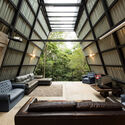
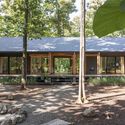
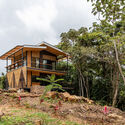
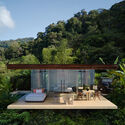
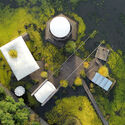
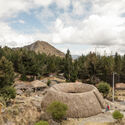
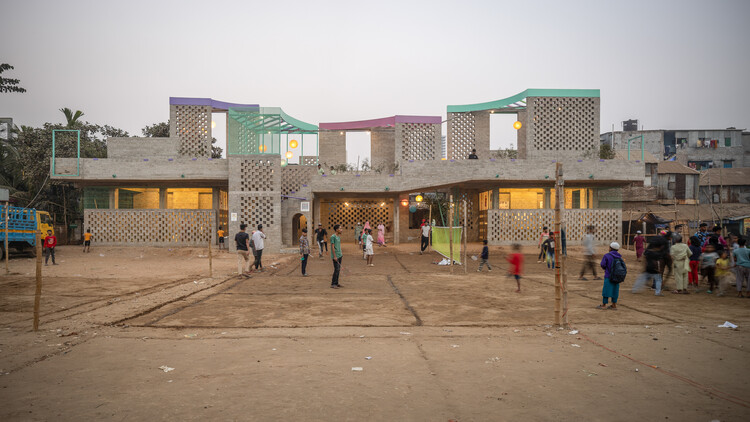
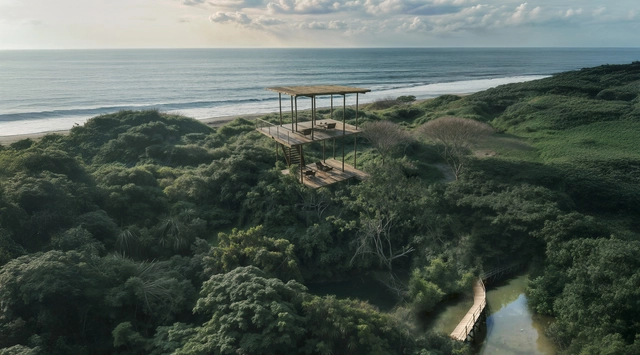
In temperate and cold climates, architecture typically begins with a defensive gesture. The building envelope is a sealed boundary designed to resist the exterior environment through insulation, vapor barriers, and mechanical control. In cold countries like Canada, where winter temperatures can plunge well below freezing, airtightness is not a luxury. In this context, buildings must resist the exterior environment entirely to maintain interior comfort. However, in Central America, a region spanning from Belize to Panama, architectural logic shifts from exclusion to negotiation. In this region, the envelope is not a wall of defense but a specialized filter.
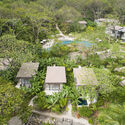
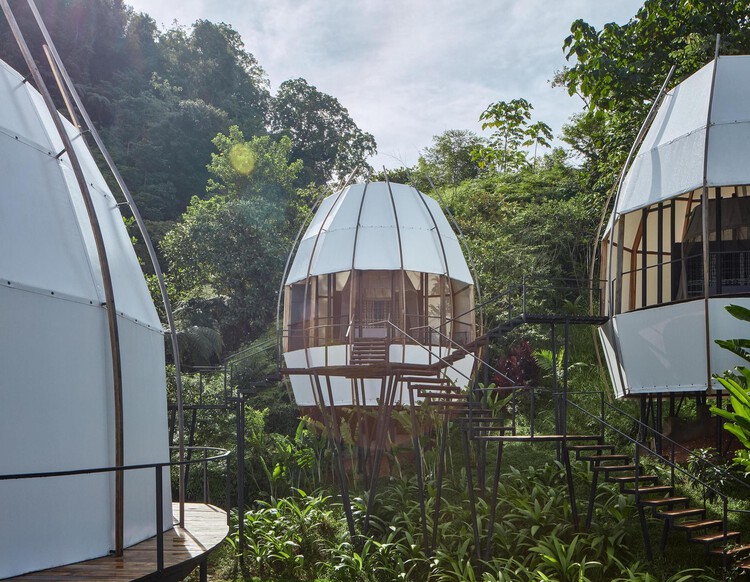
Costa Rica is a small country in Central America, internationally renowned for its tourism, biodiversity, and tropical climate. Given this context, tropical design strategies for hotel design are often more studied, but residential cabin projects can represent a more surgical approach to understanding the landscape. Often situated in remote forest or jungle locations, these cabins, apart from the common tropical design strategies, have to prioritize long-term durability and low-maintenance costs, particularly in regions where access for repairs is logistically difficult. This necessitates a design philosophy that favors both structural and climatic resilience.
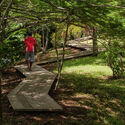
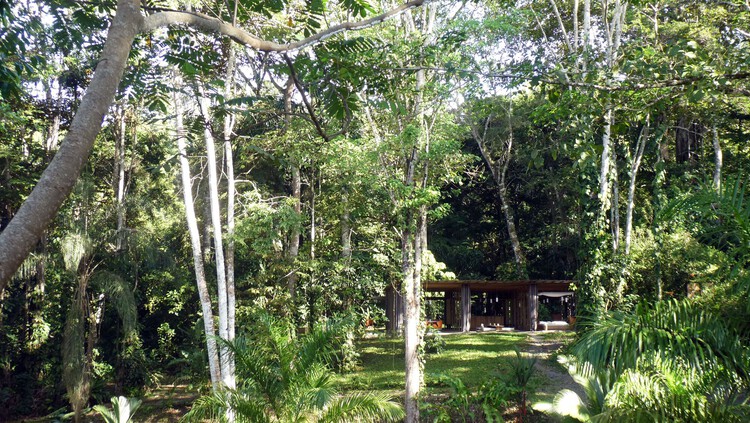
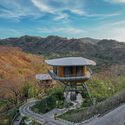
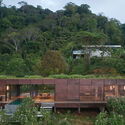
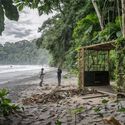
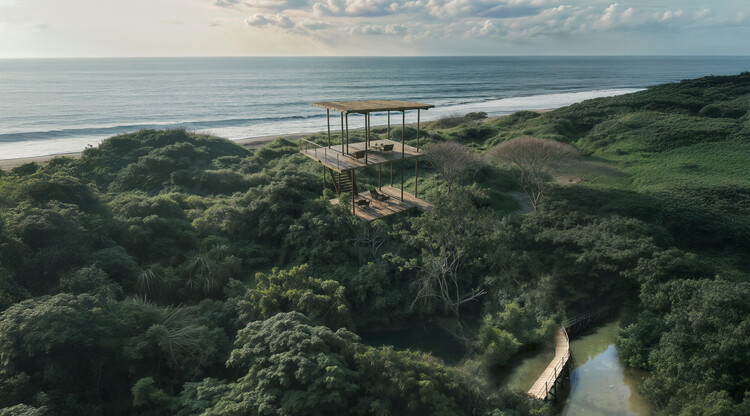
Building in this context requires precise design responses to two primary environmental stressors: extreme precipitation and high humidity. Costa Rica's tropical climate, while varying by altitude, generally delivers an average monthly rainfall exceeding 150 mm in many regions. This constant water load can create a "wet-bulb" effect, where stagnant, saturated air accelerates interior material degradation and creates physiological discomfort for the inhabitants. To design effectively under these conditions, contemporary cabin architecture employs a three-fold strategy of minimal site invasion, the creation of thermal gradients, and passive climate mitigation.
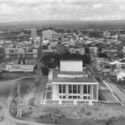
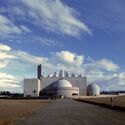
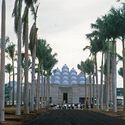
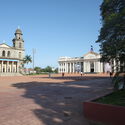
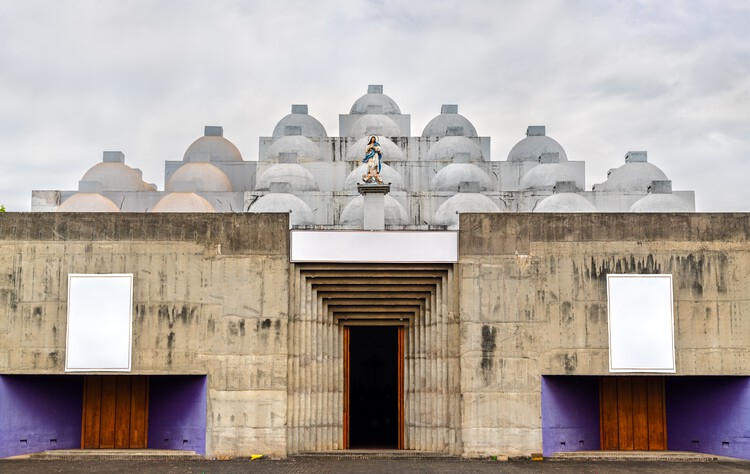
On December 23, 1972, Managua, the capital of Nicaragua, was struck by a 6.3-magnitude earthquake. In a matter of minutes, its urban core, which for decades had functioned as a compact political and economic center, abruptly collapsed. In the reconstruction process that followed, the authorities sought not simply to rebuild but to reorganize. Their objective was to decentralize the city and prevent future paralysis by dispersing functions across multiple zones. Among the most significant architectural outcomes of this shift was the new Metropolitan Cathedral. Its modernist language symbolized both institutional continuity and urban transformation. In doing so, it embodied Managua's transition from a Spanish-style, centralized urban grid to a contemporary, decentralized metropolis.
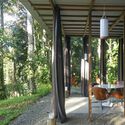
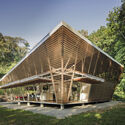
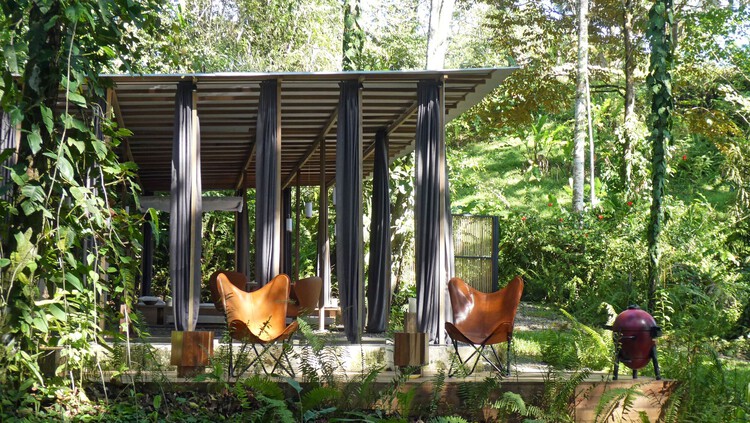
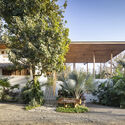
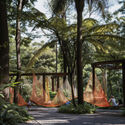
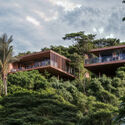
In the coastal and jungle regions of Costa Rica, high humidity and intense solar radiation dictate an architectural strategy centered on permeability rather than enclosure. Unlike the airtight envelopes required in cold climates to retain heat, Costa Rican architecture uses the building envelope as a climatic filter to maximize air exchange. The primary mechanism for managing these thermal gradients seems to be the oversized roof overhang. By extending the roof plane significantly beyond the floor plate, architects create a permanent buffer of deep shade that reduces solar gain and lowers the ambient temperature before air enters the structure. This strategy, combined with permeable or non-existent walls, allows for constant airflow. This is a critical technical requirement for humidity control and the prevention of material degradation through mold and rot.
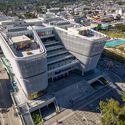
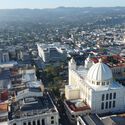
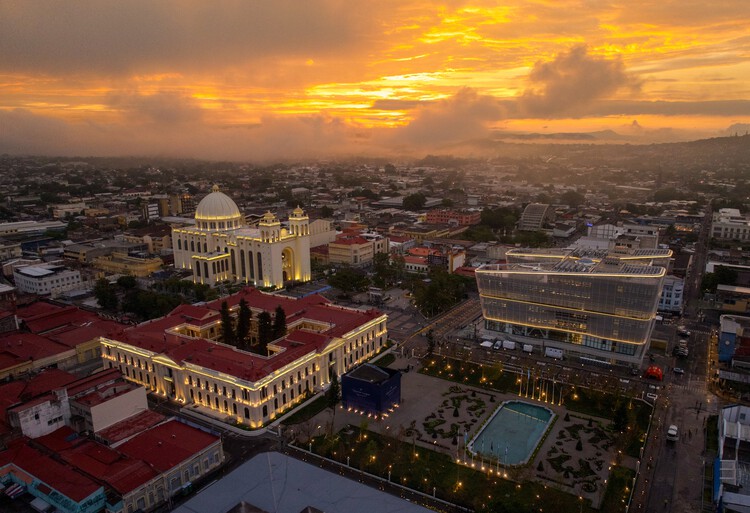
Historic center renewal has become a recurring strategy in Central American cities seeking to reassert the symbolic, economic, and functional relevance of their traditional cores. These processes often combine physical rehabilitation, institutional investment, and stricter control over public space. San Salvador offers a recent and instructive case, which allows for understanding of how interventions in inherited civic spaces balance infrastructure improvement with heritage conservation and social regulation. It also enables the assessment of how these choices resonate within broader debates on urban transformation in the region.
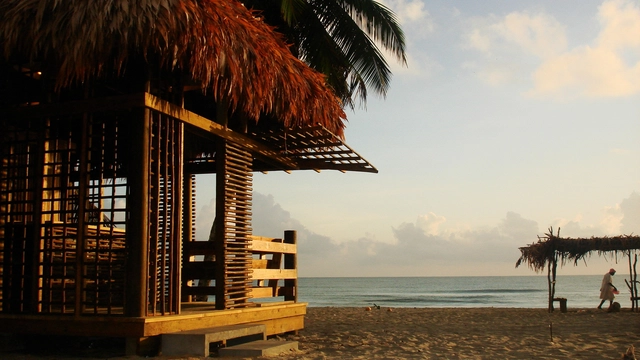
Detail of the Garifuna Kiosk Network. Image Courtesy of 24 Grados Arquitectura
How can architecture restore relevance to forgotten places? What dialogues can emerge when buildings and landscapes are treated not as blank slates, but as layers of memory, identity, and potential? For the Honduran architecture firm 24 Grados, these questions shape an approach rooted in adaptation, reuse, and contextual design. Their projects range from the restoration of old Spanish plazas and cultural centers to interventions in natural parks and coastal villages in Honduras. Each one is grounded in the belief that design can reweave relationships between people, place, and heritage.
The second edition of the Ammodo Architecture Award has recognized 26 recipients for their contributions to socially and ecologically responsible design. Selected from 168 submissions spanning over 60 countries, the laureates represent a wide range of practices, from established offices to emerging collectives and community-led initiatives. Each recipient receives a grant ranging from €10,000 to €150,000 to support the continued development of their projects. Beyond recognition and financial support, the Ammodo Architecture initiative also functions as a knowledge platform, connecting awardees across regions and facilitating the exchange of ideas on key themes identified by the advisory committee.
The conversation with VOID emerges within the framework of the 2025 Latin American Architecture Biennial, offering an opportunity to explore a practice that listens, cares, and accompanies. Their work unfolds as an act of mediation: through interdisciplinary research and attention to the plurality of natural and social factors, they seek to understand the many natures of a place. Since its beginning in 2012, this process has evolved, consolidating a stance that seeks to design architecture from and for the place—caring for it, healing it, and regenerating it—opening spaces where territories sustain and unfold their own adaptive processes.
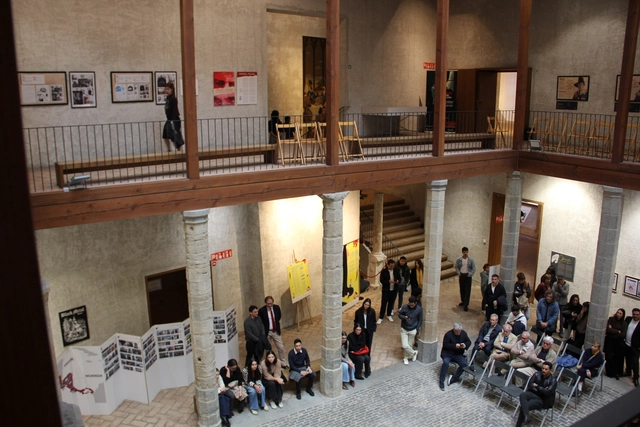
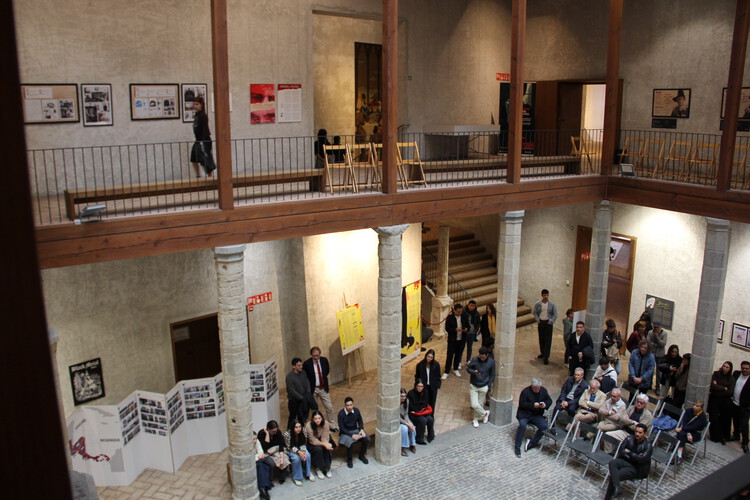
Held in Pamplona from the 23rd to the 26th of September, the 2025 Latin American Architecture Biennial (BAL) brought together emerging studios and established voices from across the continent. This year’s edition stood out for the diversity and depth of its participants: projects of striking formal and conceptual richness, developed by young yet remarkably mature offices. Together, they reflected the vitality of today’s Latin American architecture — thoughtful, inventive, and deeply aware of its context.
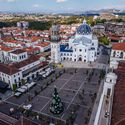
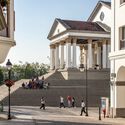
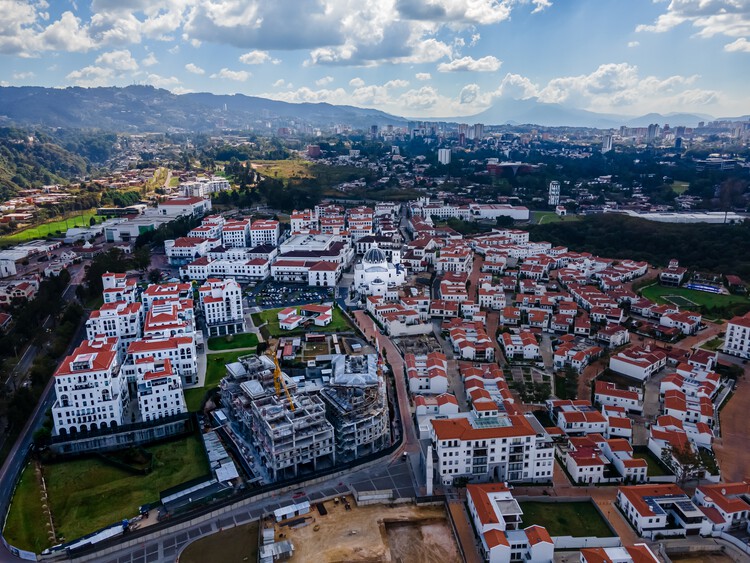
Ciudad Cayalá, a privately developed, mixed-use community on the outskirts of Guatemala City, is often described as a "theme park" of white lime-washed walls, red tiles, and cobbled plazas. A closer examination, however, reveals a more complex urban narrative. Its significance, however, lies in its capacity to create a safe and well-managed public space, proposing a modern reinterpretation of historic urban principles that mark the region's architectural and urban heritage. Behind the Antigua-style façades lies an urban experiment: a modern re-engagement with architectural elements like arcades, courtyards, and open plazas, which propose a privately-managed public space as a solution to urban challenges in the region.
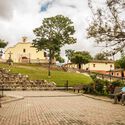
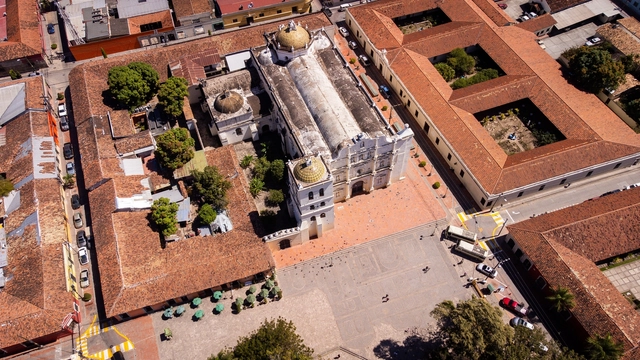
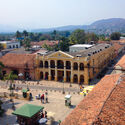
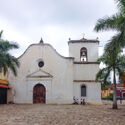
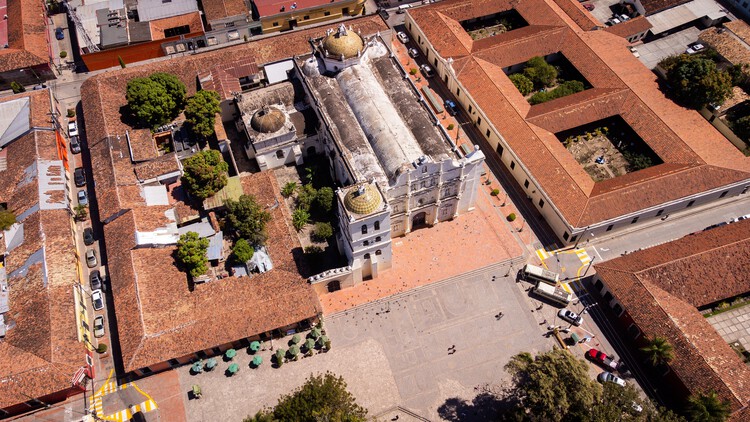
Comayagua is a city in central Honduras nestled in a valley with the same name. It holds a pivotal place in the nation's history, having served as its colonial and early republican capital for over 300 years. However, when the capital was relocated to Tegucigalpa in 1880, Comayagua's urban expansion halted, inadvertently preserving an ample and rich heritage. By the early 1990s, much of the city's architectural legacy was in a state of disrepair. Recognizing the urgent need to protect it, the governments of Honduras and Spain initiated a collaborative effort, with the objective of initiating a long-term restoration program to create a policy framework that would ensure the preservation of the city's historic center for years to come.
In 1975, Honduras was under a military regime that had been in power for over a decade, led at the time by General Juan Alberto Melgar Castro. During this period, Tegucigalpa underwent several big and unprecedented changes. The influx of people from various parts of the country due to rural migration transformed the city from a compact urban area into an expanding metropolis. This unexpected growth prompted the government to implement a municipal development and planning scheme, a project that would define the city's future and the evolution of its old town. This article was developed with the collaboration of the Honduran architect Lisandro Calderón, who specializes in Urban Planning and is currently a professor at the Central American Technological University (UNITEC), located in Tegucigalpa, Honduras.
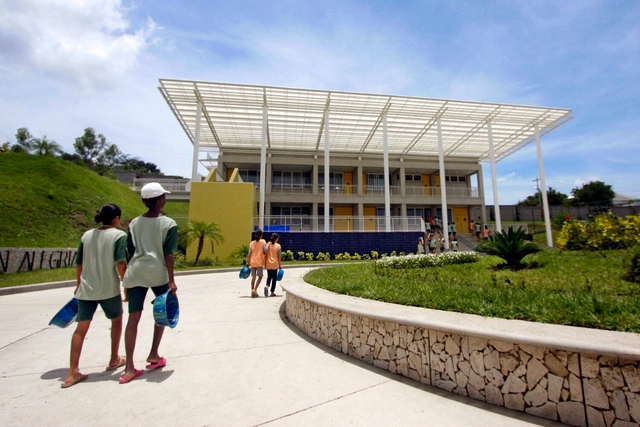
Tegucigalpa, the capital of Honduras, offers a dynamic blend of the country's architectural heritage with mountainous landscapes. Nonetheless, just like many other cities in Latin America, it faces significant urban challenges such as social class disparities and a fragmented urban fabric. In response, several design initiatives have emerged over the years to address those issues. One of the most prominent examples is the "Villa for Girls", designed by the Guatemalan firm Solis Colomer Arquitectos, which has now expanded to include a "Villa for Boys" since 2017. These projects are aimed at children from low-income families who often face the risk of being recruited by gangs. Together they build upon an architectural legacy that offers a safe, supportive environment to grow and learn.
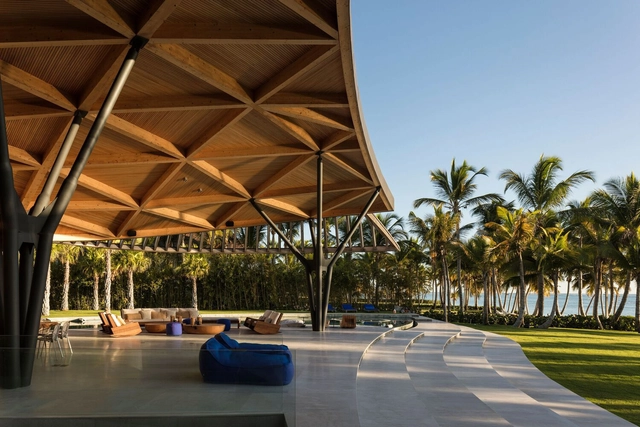
Beach houses along the Caribbean coast perfectly blend comfort, nature, and tranquility. With landscapes of white sands and crystal-clear waters, the Caribbean is home to some of the world’s most enchanting seaside retreats. Whether situated on popular islands like the Dominican Republic and Cozumel in Mexico or secluded spots like the untouched beaches of Costa Rica, these homes are designed to fully immerse guests in the lush natural surroundings, providing a uniquely serene experience.
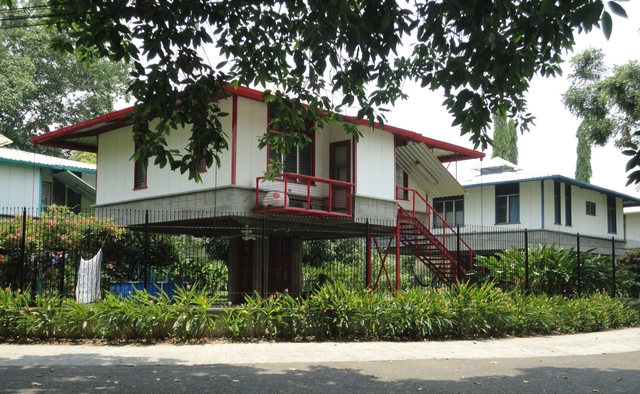
Honduran architect Angela Stassano is contributing to Central America's architectural landscape with her applied research regarding bioclimatic designs. Based in San Pedro Sula, Honduras, her projects draw from local heritage techniques to address the needs of hot, humid tropical environments. Stassano has developed her expertise through over 30 years of hands-on research, culminating in a bioclimatic architecture guide that outlines her methods for construction in this region. One of her most notable projects, Las Casitas, is a residential complex that embodies this research. The project includes multiple energy-efficient tropical houses that harness the local climate, resulting in low energy and operational costs.
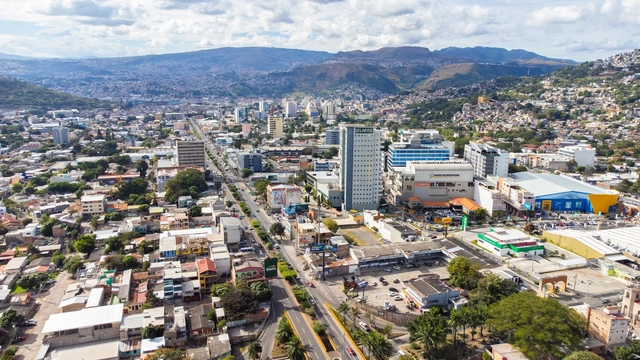
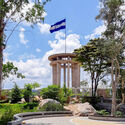
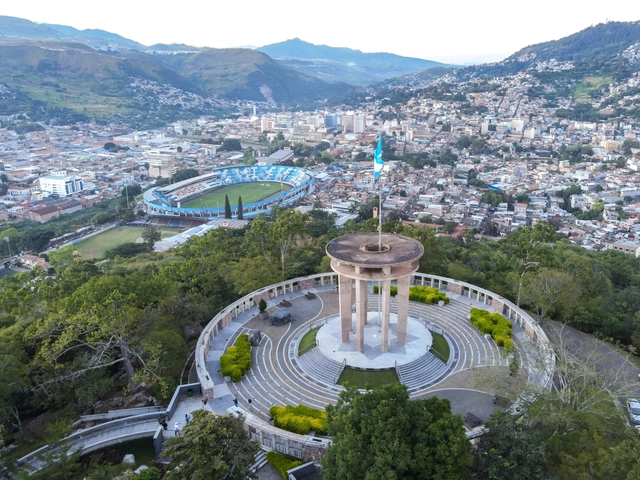
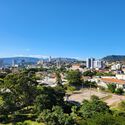
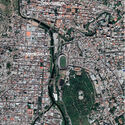
Located in the Central Mountains of Honduras, Tegucigalpa stands as the country's largest city. Being home to approximately 1.5 million residents, it is also one of the biggest urban centers in Central America, with origins that date back to 1578 when it was founded by Spanish colonizers. It was declared the capital in 1880 and has since developed into the political, cultural, and economic heart of Honduras. This history has endowed the city with a diverse architectural heritage, showcasing styles from various periods and influences.
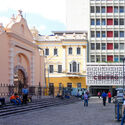
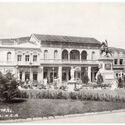
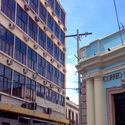
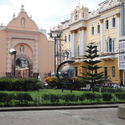
Styles that range from colonial Baroque, Neoclassical, and Art Deco to Modernism and Post-Modernism, reflect its dynamic history. It is also home to several museums that celebrate both traditional and contemporary Honduran arts, such as the Museum of National Identity (MIN) and the National Gallery of Art. Beyond its urban attractions, the city's surrounding mountains are home to the hiking trails of La Tigra National Park and several colonial silver mining towns, which make it a great city to visit while traveling through Central America.
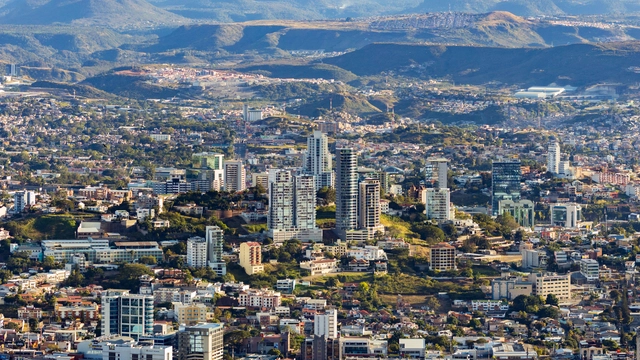
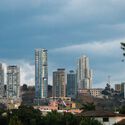
In the first decades of the XXI century, Honduras experienced higher levels of crime and violence compared to its other Central American neighbors. This situation caused the country to be largely avoided by most visitors and investors. However, it didn’t stop Tegucigalpa, its capital city, from experiencing an explosion of residential and office developments which are currently reshaping its skyline. Defined by a unique topography, and tropical weather, the city served as a testing ground for modernist urban principles that contributed to the transformation of a small mining town into one of the largest metropolises in Central America.