


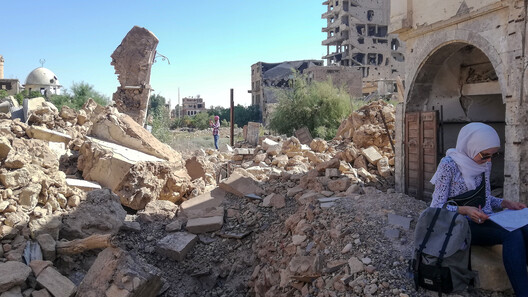
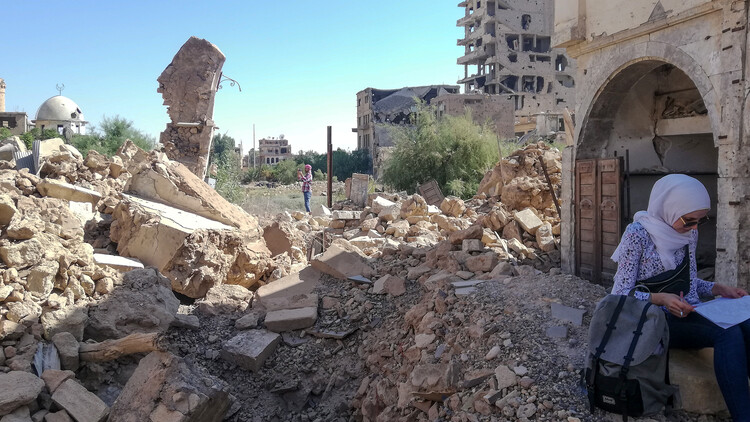
The historic city of Deir ez-Zor in eastern Syria has had more than its fair share of calamity after the outbreak of the war in 2011. After seeing destruction caused by fierce battles between armed groups and the central government, as well as occupation by ISIL, the earthquake in February 2023 brought further damage. Behind the headlines, however, is an ancient city tracing its founding to the dawn of civilization on the banks of the Euphrates River, with living architecture from the Ottoman and French Mandate periods. A winner of the ArchDaily 2025 Next Practices Awards, the Deir ez-Zor Heritage Library aims to revitalize the city and support sensitive reconstruction by documenting and promoting its built heritage.
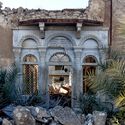
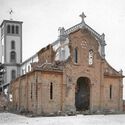
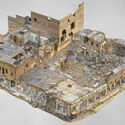

While Syria's large cities are situated on the western half of the country, Deir ez-Zor sits across the desert from them on the eastern half and is regarded as a gateway city between the Levant and Mesopotamia. With reliable riverine water sources, the region contains archaeological remains indicating it was one of the earliest sites where agriculture became common. It would be inhabited by Sumerian, Akkadian, and Aramaic peoples through the centuries, while the city became an important caravan stopping point between the eastern Mediterranean and Baghdad.


