Throughout 2025 and early 2026, numerous museum projects were announced, advanced, or broke ground across multiple regions, with completion timelines largely extending from 2026 to 2030. Located across Asia, Europe, North America, and Central Asia, these developments reflect ongoing shifts in the role of cultural institutions within contemporary cities. Increasingly, museums are conceived not only as exhibition venues but as public-facing environments that accommodate education, research, and civic engagement. This expanded programmatic scope is often accompanied by architectural strategies that respond to urban conditions, spatial continuity, and the integration of cultural infrastructure into broader city-making processes.
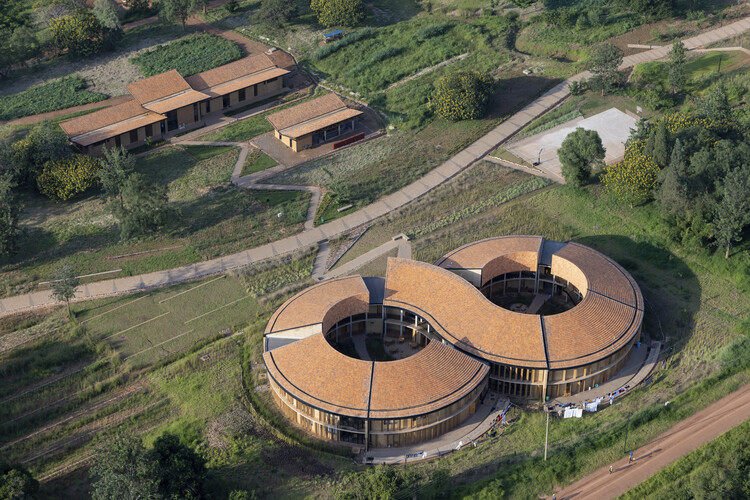
RICA, MASS Design, Rwanda. Image Courtesy of Pan-African Biennale (PAB)
This week, architecture presents new visions of the future across a geographically diverse landscape, with landmark projects and renewal initiatives emerging in Saudi Arabia, Taiwan, Bahrain, Germany, Italy, Australia, Morocco, and Burundi. New platforms for discussing urban futures highlight decolonization and the climate crisis as central priorities for contemporary architectural practice. At the same time, contrasting perspectives on urban regeneration are reflected in both the demolition of recent landmark structures and the large-scale transformation of industrial sites. On another note, the Olympic Games continue to act as catalysts for architectural production, as seen in the proposal for a new sports center in Australia for Brisbane 2032. This momentum coincides with major international infrastructure developments in Africa, including a new airport terminal in Morocco, as well as projects that rethink spaces for research and public engagement, such as a new building for the German Language Forum.
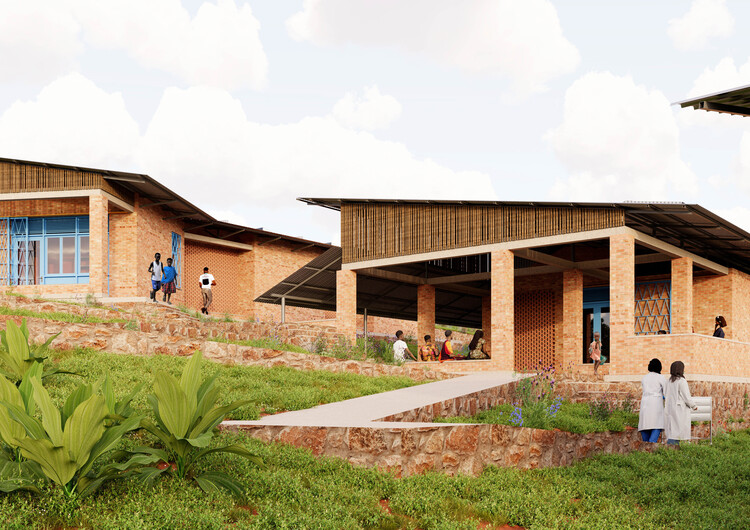
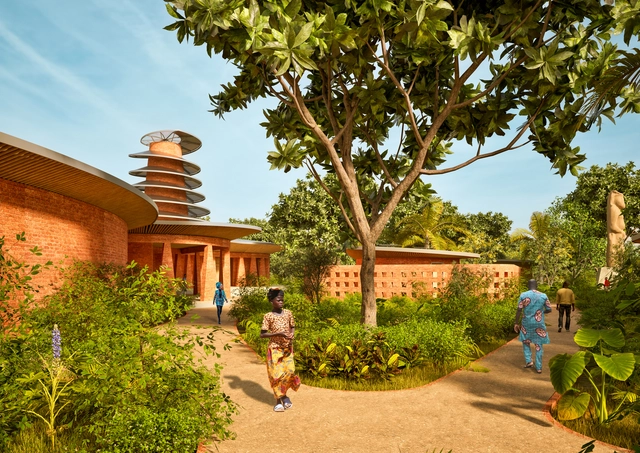
Ineza Clinic project outpatient unit and pharmacy exterior view render, 2026 . Image Courtesy of Kéré Architecture
Kéré Architecture has designed a new healthcare center in the Bubanza region of Burundi, about 40 kilometers north of the country's former capital, Bujumbura. Commissioned by the NGO Ineza Clinic, the project aims to improve access to healthcare for the region's rural population, complementing the services of the existing general hospital, with a focus on maternity and specialized surgical care. Francis Kéré's plan distributes the program across ten pavilions connected by a road that zigzags up the hillside toward a visitor center, forming a 3,000 m² complex. The project combines materials sourced from the surrounding region, traditional craftsmanship, and knowledge transfer, minimizing its carbon footprint, supporting the local economy, and strengthening local teams. Construction has already started, with the first phase scheduled for completion this year.
This week's review focuses on concrete responses to shared urban challenges, including housing affordability, long-term resilience, and the role of cultural and material innovation in shaping cities. The selection spans regulatory measures affecting housing markets in European cities, high-density residential and mixed-income proposals in New York, and major renewal and planning efforts in London, Barcelona, Ulaanbaatar, and Drammen. It also highlights research-driven and built projects in Chicago, Buenos Aires, Las Vegas, and Riyadh that explore circular construction, adaptive reuse, and new models for cultural and public infrastructure. Together, these worldwide projects offer a snapshot of how architecture and urban planning are addressing immediate pressures while laying the groundwork for more resilient and inclusive urban futures across diverse geographic and cultural contexts.
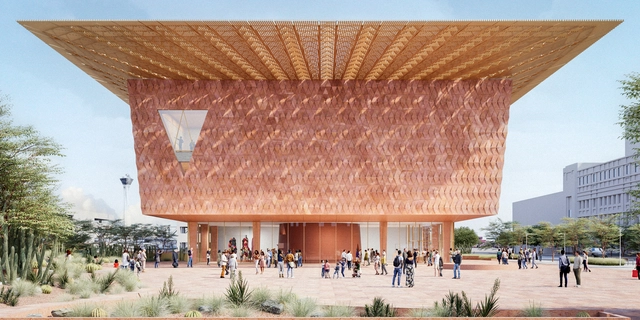
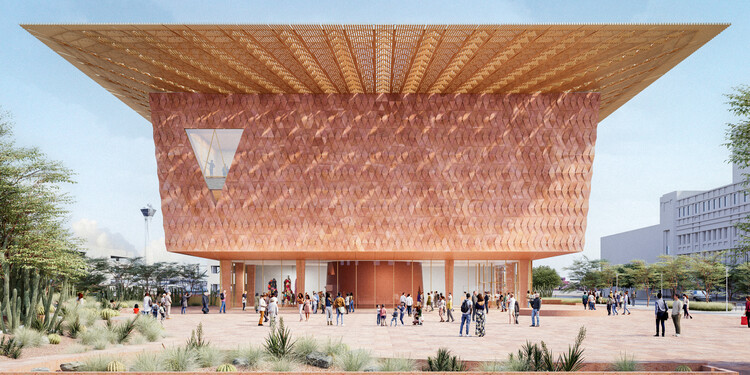
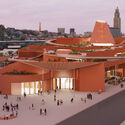
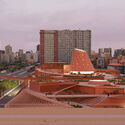
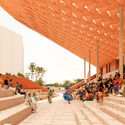
The future Las Vegas Museum of Art (LVMA) will be the city's first stand-alone museum, designed by Pritzker Prize-winning architect Francis Kéré. In fall 2024, the City of Las Vegas granted LVMA two acres of land in Symphony Park, neighboring the city's downtown arts district, as part of a public-private partnership. The project is intended to serve the city's more than 2.4 million year-round residents, including nearly 300,000 students living within a 10-mile radius of the park, as well as tens of millions of visitors from around the globe. The 60,000-square-foot building was designed by Kéré Architecture, which teamed up with Skidmore, Owings & Merrill (SOM) to provide Las Vegas with "a gathering place for community and a beacon for the cultural world," and is scheduled to open in 2029.
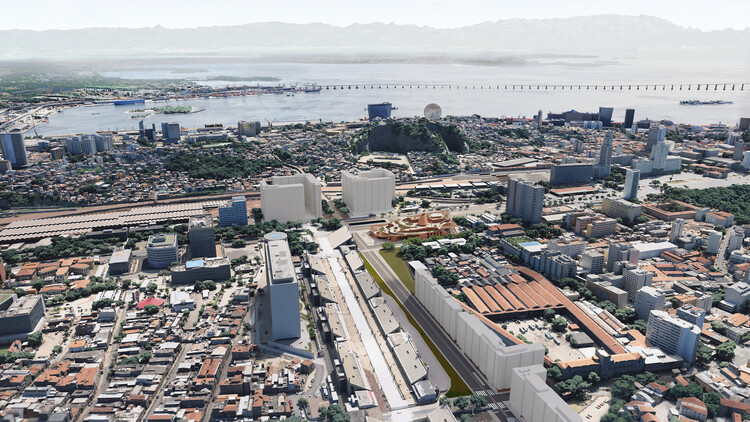
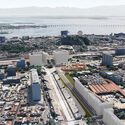
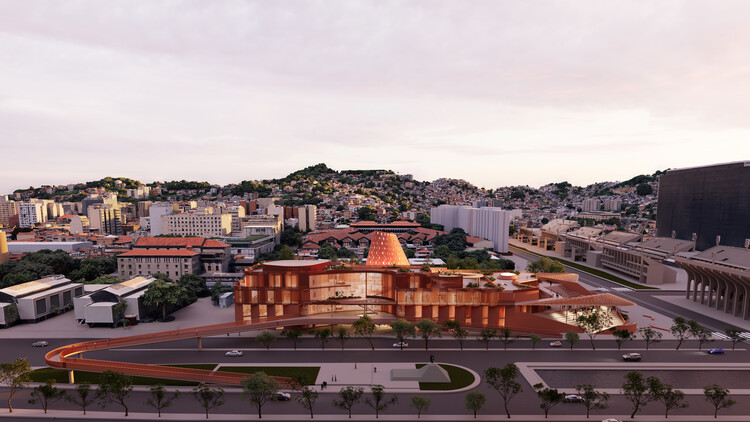
Biblioteca dos Saberes by Kéré Architecture. Aerial view. Render. Image Courtesy of Kéré Architecture
Amid ongoing global discussions on climate adaptation and resilient urban development brought into sharper focus by the outcomes of COP30, this week's architecture news illustrates how cities worldwide are rethinking their built environments. From Venice, where the 19th Architecture Biennale concluded with debates on material use and long-term cultural impact, to international awards foregrounding regenerative and socially responsive design, the conversation around architecture is increasingly intertwined with planetary priorities. Major urban interventions, from Thessaloniki's seafront redevelopment and Rio de Janeiro's new public library, to Abu Dhabi's Natural History Museum and a civic stadium in Birmingham, demonstrate how multiple cities are addressing mobility, heritage, density, and climate resilience. Additional plans, such as Mantua's ecological urban strategy, Utrecht's elevated landscape above transport networks, and Amsterdam Airport Schiphol's redesigned landside mobility system, further reflect a transition toward integrated, people-centred urban frameworks that prioritize environmental performance, public space, and long-term territorial stewardship.
Biblioteca dos Saberes by Kéré Architecture. Northern view. Render. Image Courtesy of Kéré Architecture
Kéré Architecture has unveiled its proposal for the 40,000-square-meter Biblioteca dos Saberes (House of Wisdom) in Rio de Janeiro's Cidade Nova neighborhood. Designed by Francis Kéré, Mariona Maeso Deitg, and Juan Carlos Zapata, the cultural complex is commissioned by the Rio de Janeiro City Hall and planned for a site near Valongo Wharf and the Little Africa area. The design was presented to members of the community on November 20, the National Day of Zumbi and Black Consciousness in Brazil. Important features include a perforated façade for sun protection, roof gardens, landscaped terraces, shaded courtyards, open-air areas, a canopied amphitheater, and a pedestrian bridge connecting the building to the nearby monument to Zumbi dos Palmares.
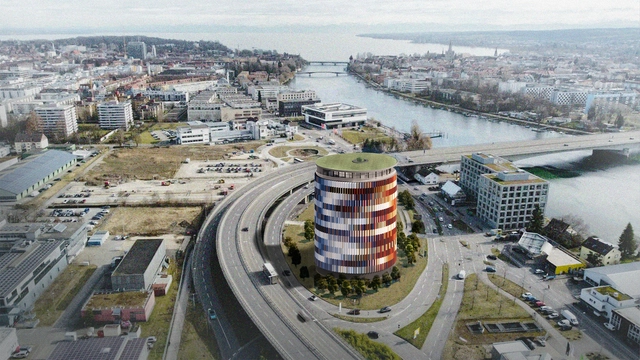
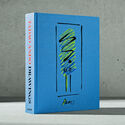
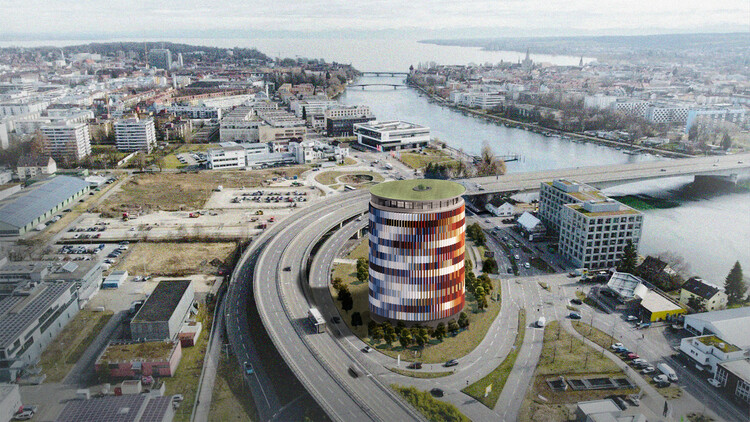
As the 19th Venice Architecture Biennale enters its concluding weeks, the global architecture scene continues to unveil significant projects and recognitions. This week's highlights include Studio Libeskind's residential complex in Prague; sauerbruch hutton's Panorama Constance exhibition building in Germany, and CRA–Carlo Ratti Associati's digitally fabricated bivouac for the upcoming Milano Cortina 2026 Winter Olympics. In New York, Venezuelan artist Miguel Braceli designed a major public artwork for the city's waterfront, addressing themes of migration, diversity, and the complexities of geopolitical identity. The week also brought recognition to sustainable and creative achievements, from the Holcim Foundation's regional awards for sustainable construction to the publication of Tadao Ando. Sketches, Drawings, and Architecture by Taschen, celebrating nearly five decades of the architect's design process.
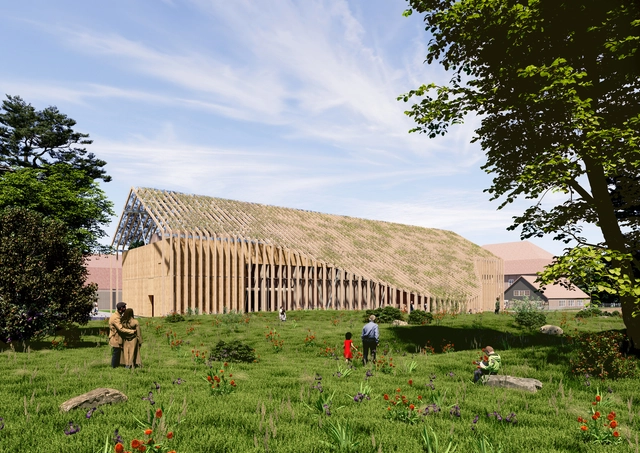
Museum Erhardt by Kéré Architecture. Exterior garden view. Render . Image Courtesy of Kéré Architecture
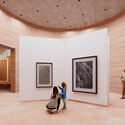
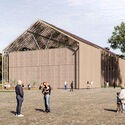
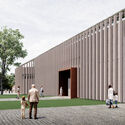
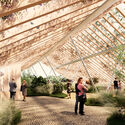
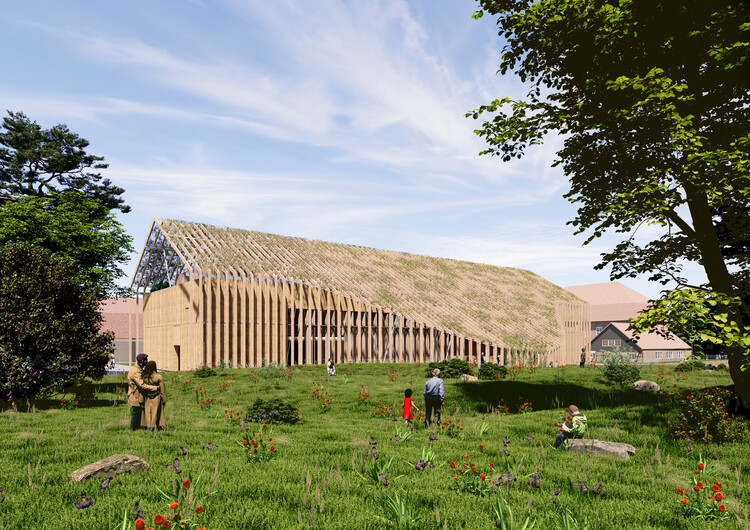
Construction has officially begun on the Museum Ehrhardt in Plüschow, northeast Germany, marking the first cultural project in Germany by Francis Kéré and his firm Kéré Architecture, as well as their first museum building in Europe. Developed in cooperation with HK Architekten and Hermann Kaufmann + Partner ZT GmbH, the 1,400-square-meter museum will be dedicated to photography and contemporary art. The initiative was launched by Dr. Jens Ehrhardt, son of the artist Alfred Ehrhardt (1901–1984), together with his wife Elke Weicht-Ehrhardt, to honor the painter, photographer, and filmmaker who was a leading figure of Germany's New Objectivity movement. The museum will stand near the Baltic Sea, adjacent to Schloss Plüschow, an artist residency and gallery.
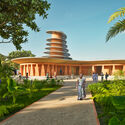
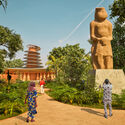
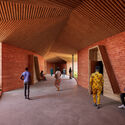
Kéré Architecture has revealed the design of a masterplan and series of buildings dedicated to the cultural and spiritual heritage of the Ewé people in the town of Notsé, in Togo. Commissioned by the Kothor Foundation, the center incorporates a sanctuary, several temples, a large-scale open-air amphitheater, as well as cultural functions such as exhibition halls, an auditorium, restaurants, and a reconstruction of the ancient royal palace of the Ewé Kingdom. The project, Francis Kéré's first in Togo, started construction in October 2024 and is scheduled for completion in February 2026.
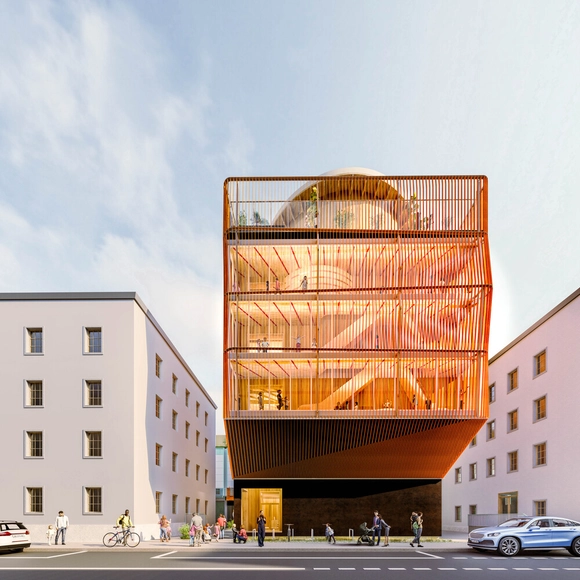
Kéré Architecture has revealed the design for a vertical childcare center at Munich’s Technical University (TUM) in Germany. Named "Ingeborg Pohl Kinderoase an der TUM," the center will be built in wood to the extent allowed by local norms and regulations for energy efficiency, thermal comfort, fire protection, and acoustics. The new building, located between the TUM main campus and the university canteen, broke ground on April 18 and is expected to be completed by the end of 2025.
Pritzker Prize winner Diébédo Francis Kéré has been named the 2023 Praemium Imperiale laureate for architecture. The annual award, presented by the Japan Art Association, recognizes and awards 6 artists from different creative fields: architecture, music, painting, sculpture, and theatre or film. Francis Kéré, who leads the Berlin-based office Kéré Architecture, has received the prestigious award for his influence on African and global architecture, engaging local communities and site-specific materials to create innovative design and engineering solutions.
As the new year begins, we look forward to the most exciting projects planned to open in 2023. The world's second-tallest tower is currently under construction in Malaysia; Egypt is almost ready to open its largest archeological museum, while MVRDV is currently renovating a large-scale brutalist landmark in Albania. Featuring internationally renown architectural offices such as Snøhetta, OMA, Studio Gang, Zaha Hadid Architects, BIG, along with the latest winner of the Pritzker Prize, Francis Kéré, the following selection presents projects from all around the world. They also range in scale and program, from international airports to sculptural arts galleries or museum expansions.
Several projects presented here have also featured in the previous year's compilation. Resource availability and labor issues generated by the pandemic have also continued to influence opening schedules, but with a diminishing impact. Following the predicted trends for 2023, more and more projects involve the adaptive reuse of existing structures. An underlying theme is visible in the increased interest in expanding artistic and cultural venues and integrating historical heritage into the expression of contemporary architecture.
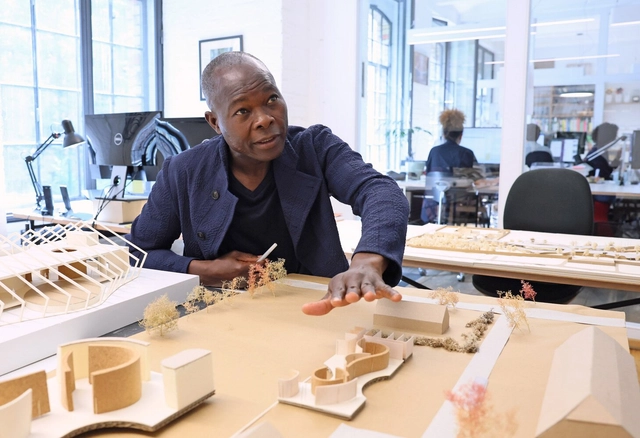
Pritzker Prize 2022 Laureate Francis Kéré is known for “empowering and transforming communities through the process of architecture”, as the jury stated in its citation. In this recently published video, Martha Thorne, Dean of IE School of Architecture and Design and former executive director of the Pritzker Architecture Prize, shares some of the reasons why Francis Kéré has won the Pritzker Prize 2022.
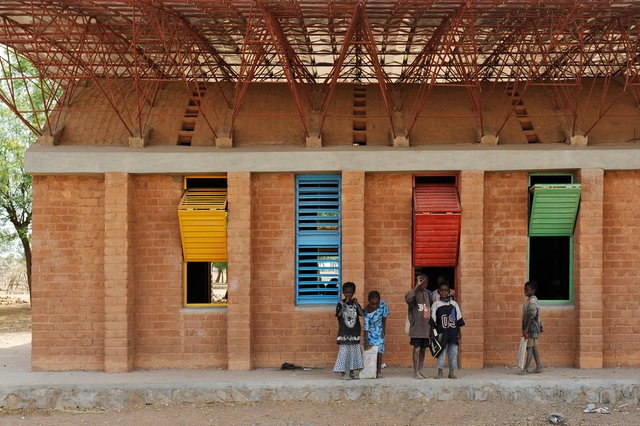
Clay walls have a high thermal inertia. This means that they act as a climate buffer that creates a thermal delay in the flow of heat from the outside to the inside, absorbing it during the day and releasing it overnight. The material is especially suitable for hot and dry climates, such as that of Gando, where Francis Kéré built his first school. After years of studying abroad, Kéré returned to his home community with the intention of building this school with the same materials historically used by locals, which many originally viewed as strange, as he said in this lecture. Despite the initial prejudice, it was the combination of local materials and techniques with Kéré’s acquired knowledge that ultimately gave strength to the project.
https://www.archdaily.com/978851/how-does-francis-kere-use-materials-to-respond-to-local-climate-conditionsValeria Montjoy and Eduardo Souza
The election of Kéré is not only symbolic in a time of identity demands, where the institutions that make up the mainstream are required to more faithfully represent the social, cultural, and sexual realities that make up our societies, but it also confirms the recent approach of the Pritzker Prize jury.



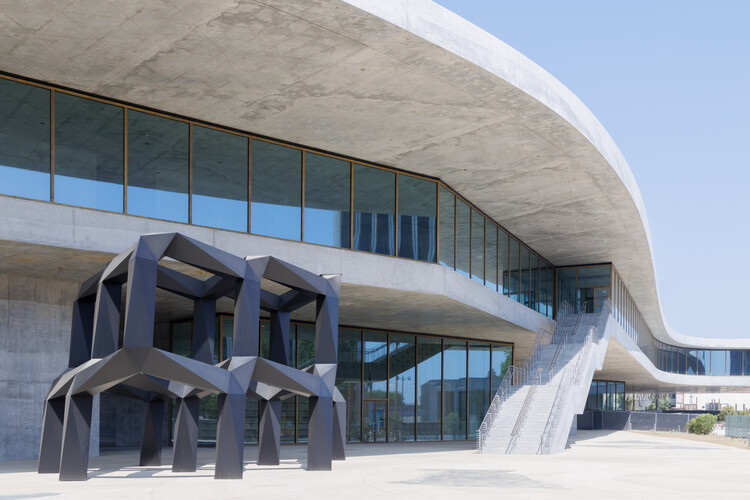















.jpg?1647823485 "Gando Primary School Extension / Kéré Architecture. Image © Erik Jan Ouwerkerk")
.jpg?1647822667 "Serpentine Pavilion / Kéré Architecture. Image")
.jpg?1647822697 "Startup Lions Campus / Kéré Architecture. Image")
.jpg?1647823274)